Wondering whether a historic home or a newer build fits you best in Franklin? It is a smart question, because in this part of Williamson County, the choice is rarely just about age. It is about how you want to live, what kind of projects you can take on, and how much character, flexibility, and planning feel right for your next chapter. Let’s dive in.
Franklin offers two distinct experiences
Franklin has one of Middle Tennessee’s largest and most notable collections of historic architecture, but it also continues to grow through newer infill and subdivision development. That means your options can range from a cottage near downtown streetscapes to a more recently built home with modern systems and a different lot style.
In practical terms, choosing between new and historic homes in Franklin often comes down to lifestyle fit. Some buyers are drawn to front porches, mature trees, sidewalks, and neighborhood texture. Others want a layout that feels more turnkey, with fewer exterior review requirements and stronger baseline efficiency.
What defines a historic home in Franklin
In Franklin, historic residential areas are typically established single-family neighborhoods in and around downtown. According to Envision Franklin, many of these areas are historically significant, generally more than 50 years old, and shaped by traditional lot widths, setbacks, gridded streets, sidewalks, and street trees.
That historic fabric is not limited to one look. Franklin’s historic homes include styles such as Federal, Greek Revival, Folk Victorian, Neoclassical, Bungalow, and Colonial Revival. In the Franklin Road district, homes span from the early 1800s through the 1950s, so “historic” can mean anything from an early agrarian home to a midcentury property with established character.
Historic neighborhoods feel pedestrian-scaled
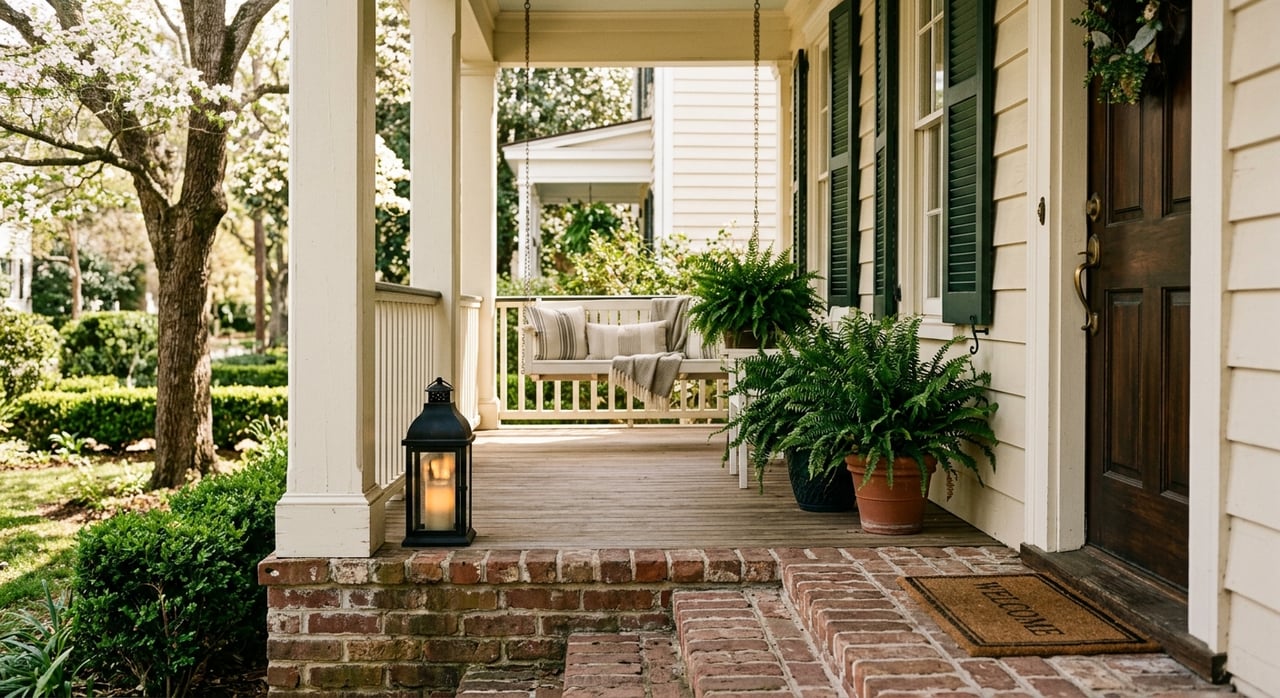
One of the biggest draws of historic Franklin is the streetscape itself. The city’s planning guidance highlights front porches, detached garages set back from the street, sidewalks, and street trees as defining features in historic residential settings.
For you as a buyer, that often translates into a stronger sense of place. These areas can feel more intimate and visually layered, with homes oriented toward the street and details that contribute to a cohesive block-by-block experience.
Historic homes often emphasize preservation
Franklin’s design guidance places special importance on the front facade. The city allows more flexibility at rear facades, but visible exterior changes are expected to respect the surrounding streetscape and the home’s architectural context.
That matters if you are already imagining additions, porch changes, new windows, or exterior material updates. Historic ownership can offer beauty and individuality, but it usually asks for a more thoughtful approach to visible changes.
What newer homes can offer in Franklin
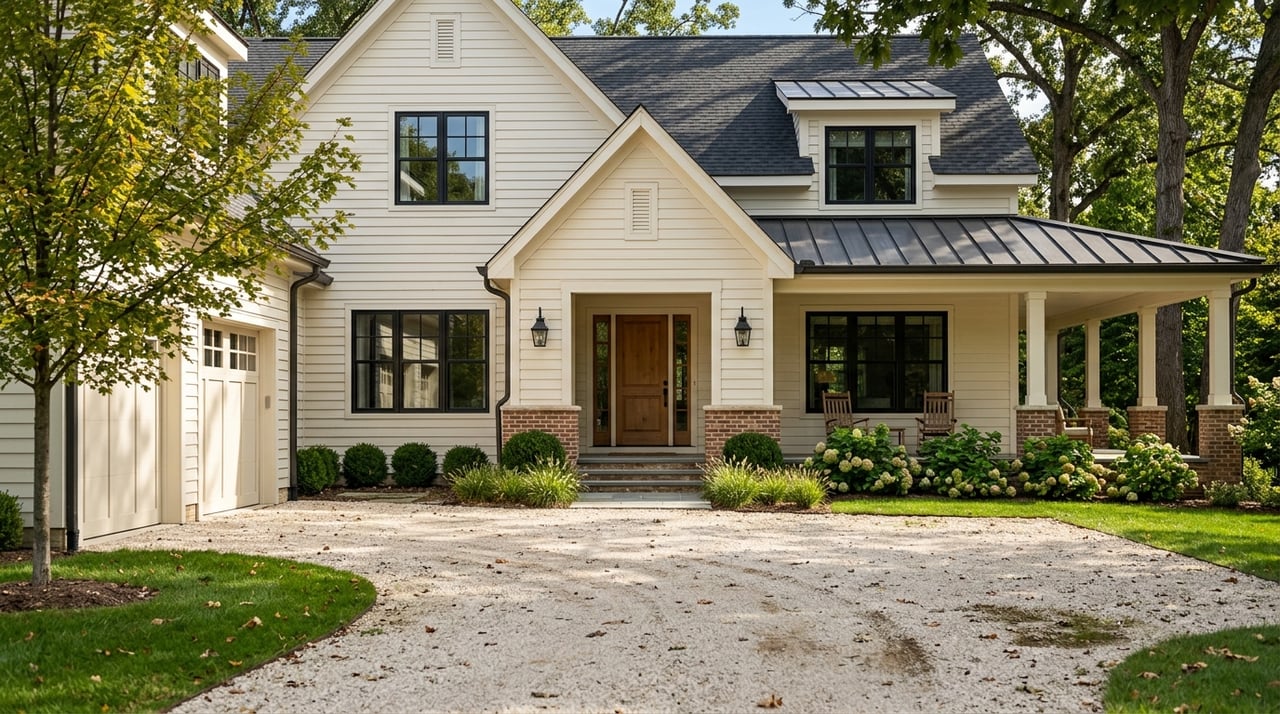
Newer homes in Franklin are not all the same. Depending on zoning and location, they can range from compact infill homes to estate-style properties, including areas with large-lot standards and areas designed for more compact residential patterns.
In historic residential areas, new construction is expected to fit the established context. Envision Franklin says new buildings should orient main entrances toward the street, stay within the established setback range, and remain secondary in prominence to historic structures.
New homes often bring easier day-to-day function
For many buyers, the biggest advantage of a newer home is practical comfort. New homes often begin with more current systems, materials, and construction standards, which can mean fewer immediate upgrade projects after closing.
They also tend to offer a baseline energy-performance advantage. Research cited in the report shows that U.S. homes built in 2000 and later use less energy for space heating on average than older homes, even though they are larger on average.
Newer properties may offer more layout flexibility
If your wish list includes open living areas, larger secondary spaces, or a setup that feels more tailored to modern routines, a newer home may align better. That can be especially helpful if you want to spend your first years enjoying the property instead of coordinating multiple improvement projects.
In Franklin, lot style also plays a role. Some newer settings are more compact, while others follow estate-residential standards with 2-acre minimum lots and deep front yards. If privacy, land, or room for future uses matters to you, zoning and lot configuration deserve close attention.
Renovation rules can shape your decision
This is one of the most important differences between new and historic homes in Franklin. If a property is inside the Historic Preservation Overlay, most exterior alterations require a Certificate of Appropriateness, often called a COA.
That review process can apply to new construction, additions, windows, siding, roofing, porches, fences, lighting, solar, demolition, and relocation. Interior work is generally exempt if it does not alter the exterior appearance or gross floor area.
Exterior changes need more planning
If you love the idea of restoring a classic home, Franklin’s process does not prevent updates. It does mean you should expect more coordination, more context-sensitive review, and in some cases more specialized trades for repairs or replacements.
The city’s guidelines emphasize preserving original elements and matching replacement materials, especially on visible facades. So if you are comparing two homes at the same price point, factor in not just purchase price, but also the time and effort needed for any planned exterior work.
Not every historic-looking home has the same rules
A common point of confusion is the difference between a home that is simply older and a home subject to local historic review. In Franklin, the enforceable exterior requirements come from local Historic Preservation Overlay zoning and the city’s design-review process.
That means you should verify whether a property is actually in the overlay, what work would trigger a COA, and whether a project can be handled administratively or needs Historic Zoning Commission review. COAs are valid for two years, with a possible six-month extension.
Lifestyle fit matters more than age alone
The right choice in Franklin usually comes down to how you want your home to support daily life. Historic homes often reward buyers who value neighborhood character, walkability, front-porch living, and established streetscapes.
Newer homes often reward buyers who prioritize modern systems, stronger baseline efficiency, and fewer preservation-related constraints. Neither path is better across the board. The better fit is the one that matches your routines, design preferences, and appetite for future projects.
A historic home may fit you if...
- You value architectural detail and layered neighborhood character
- You enjoy mature trees, sidewalks, porches, and traditional streetscapes
- You are comfortable planning exterior work carefully
- You appreciate homes that reflect Franklin’s long architectural history
A newer home may fit you if...
- You want more current systems and potentially lower heating demand
- You prefer fewer exterior review requirements
- You want a layout that feels more aligned with modern living patterns
- You are looking closely at lot size, privacy, or estate-style options
Questions to ask before you choose
Before you decide, it helps to look past finishes and staging and focus on the property’s practical fit. A beautiful house can feel very different once you map out your renovation plans, maintenance expectations, and how you will use the lot.
Here are a few smart questions to ask during your search:
- Is the property inside the Historic Preservation Overlay or simply near a historic area?
- How much exterior change do you want to make in the first few years?
- Have key systems such as plumbing, electrical, HVAC, insulation, and drainage been updated?
- Do the lot width, setback pattern, and accessory-structure rules support your goals?
- Do you care more about walkability and established streetscape, or flexibility and efficiency?
Why local guidance matters in Franklin
Franklin has a rich architectural story, but it also has a clear planning and review framework. The city’s Building and Neighborhood Services department handles plan review, permits, inspections, and enforcement for new construction, existing housing, and historic districts.
That is why local guidance matters so much when you are comparing homes here. The right advisor can help you look beyond the charm of a porch or the polish of a newer kitchen and ask the questions that protect your time, budget, and long-term enjoyment of the property.
Whether you are drawn to a historic cottage near downtown or a newer home with room to spread out, the goal is the same: find a property that fits the way you want to live in Franklin. If you want thoughtful, place-based guidance as you weigh character, land, and long-term potential, connect with Kim Biddle for a tailored search and private tour strategy.
FAQs
What makes a home historic in Franklin, Tennessee?
- In Franklin, historic homes are often found in established residential areas in and around downtown, and many are more than 50 years old with traditional lot patterns, setbacks, sidewalks, and street trees.
Do historic homes in Franklin require city approval for renovations?
- If the home is in the Historic Preservation Overlay, most exterior changes require a Certificate of Appropriateness from the city, while many interior-only changes are exempt.
Are newer homes in Franklin usually more energy efficient?
- In general, newer homes tend to start with a stronger efficiency advantage, and research in the report shows homes built in 2000 and later use less energy for space heating on average than older homes.
Can you change the exterior of a historic home in Franklin?
- Yes, but exterior work on homes in the Historic Preservation Overlay is typically reviewed for compatibility with the home and surrounding streetscape.
Is a National Register home in Franklin subject to local design review?
- National Register listing alone does not create local restrictions for a private owner, but local Historic Preservation Overlay zoning and city review rules can.
How do you choose between a new and historic home in Franklin?
- The best choice usually depends on your lifestyle, renovation plans, interest in neighborhood character, and comfort with review requirements for exterior changes.