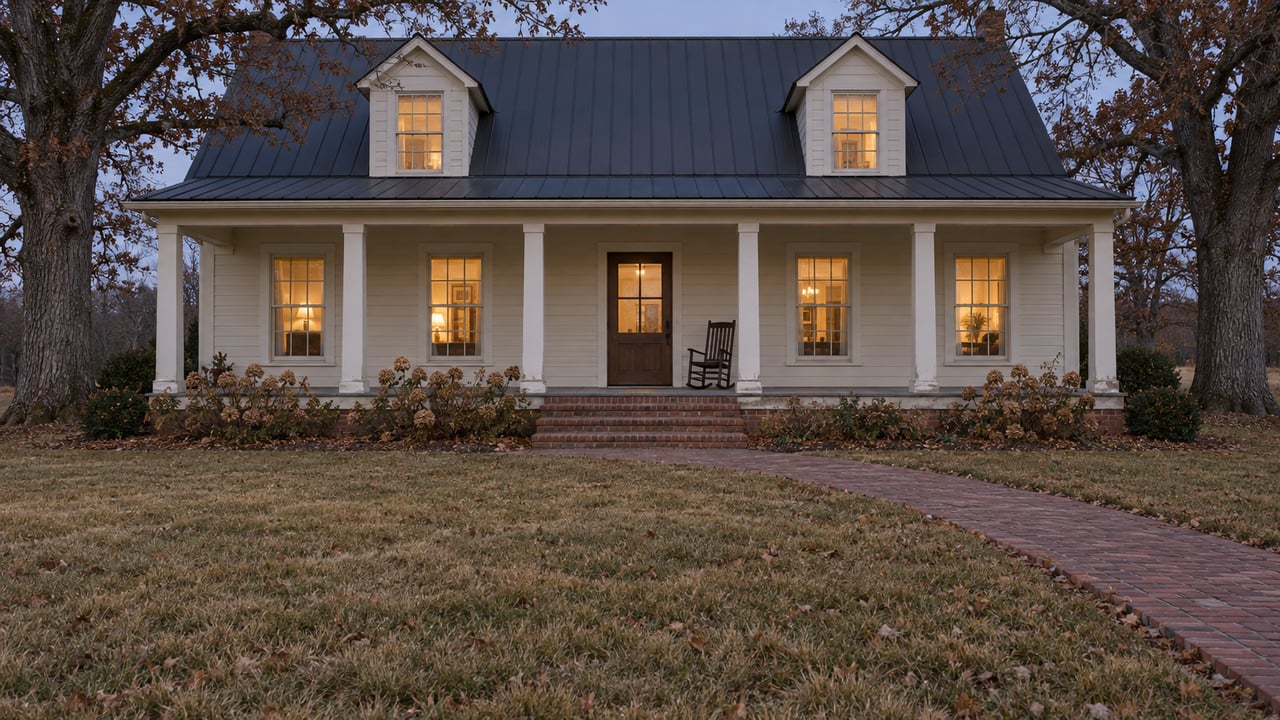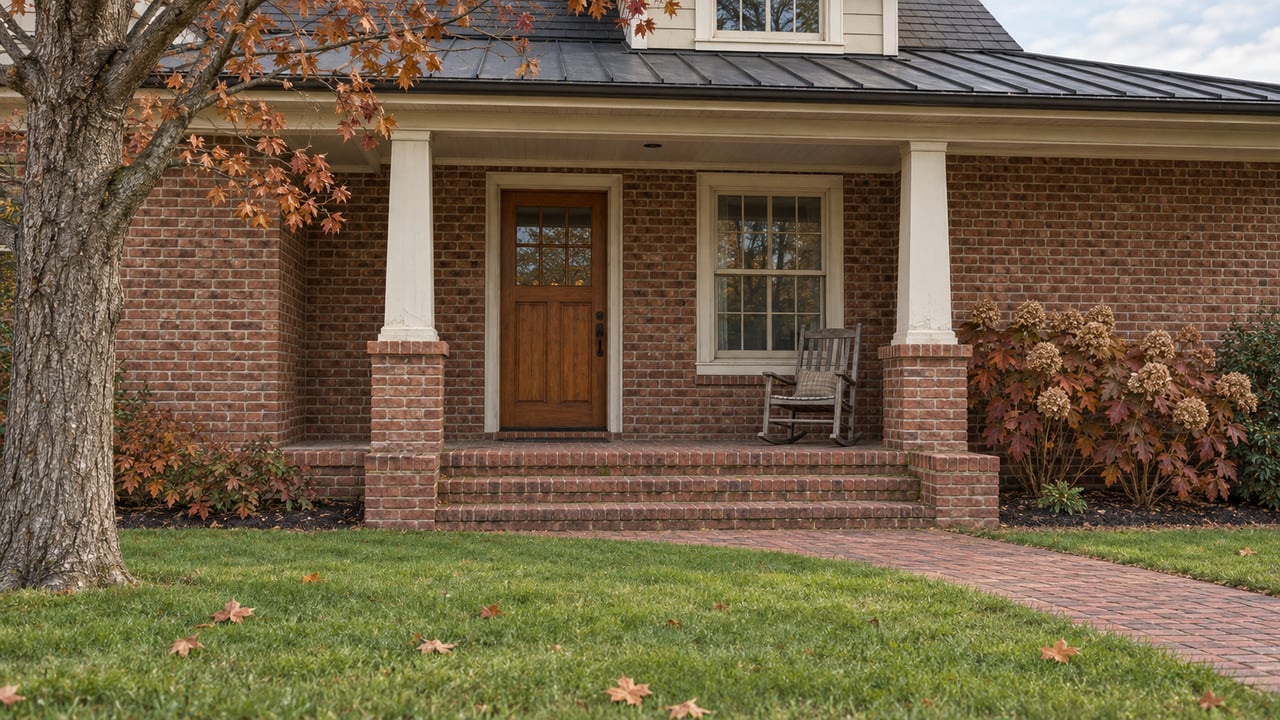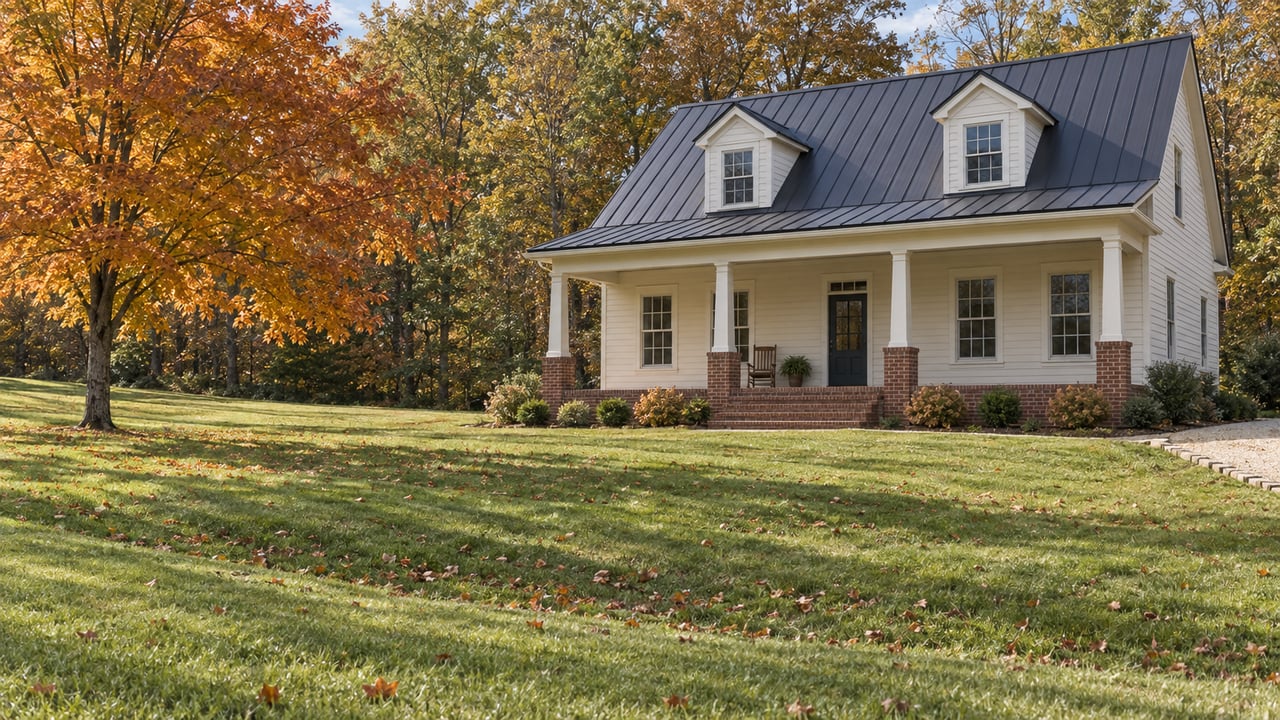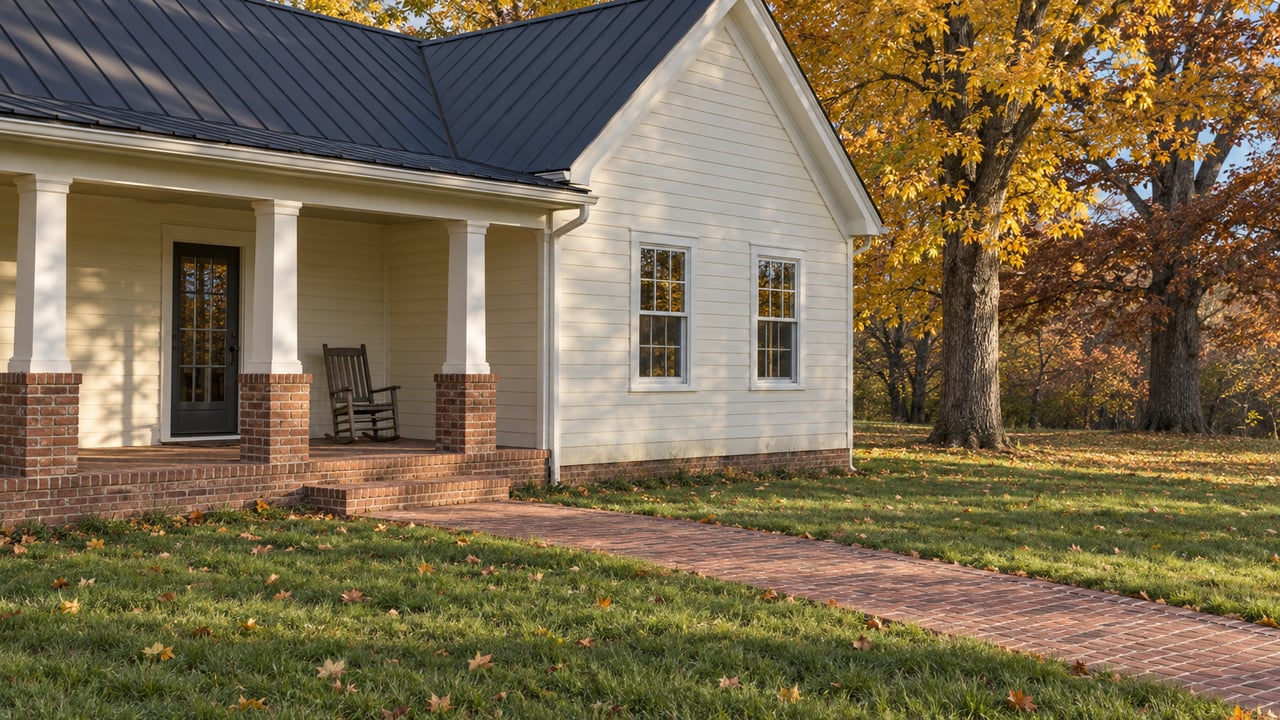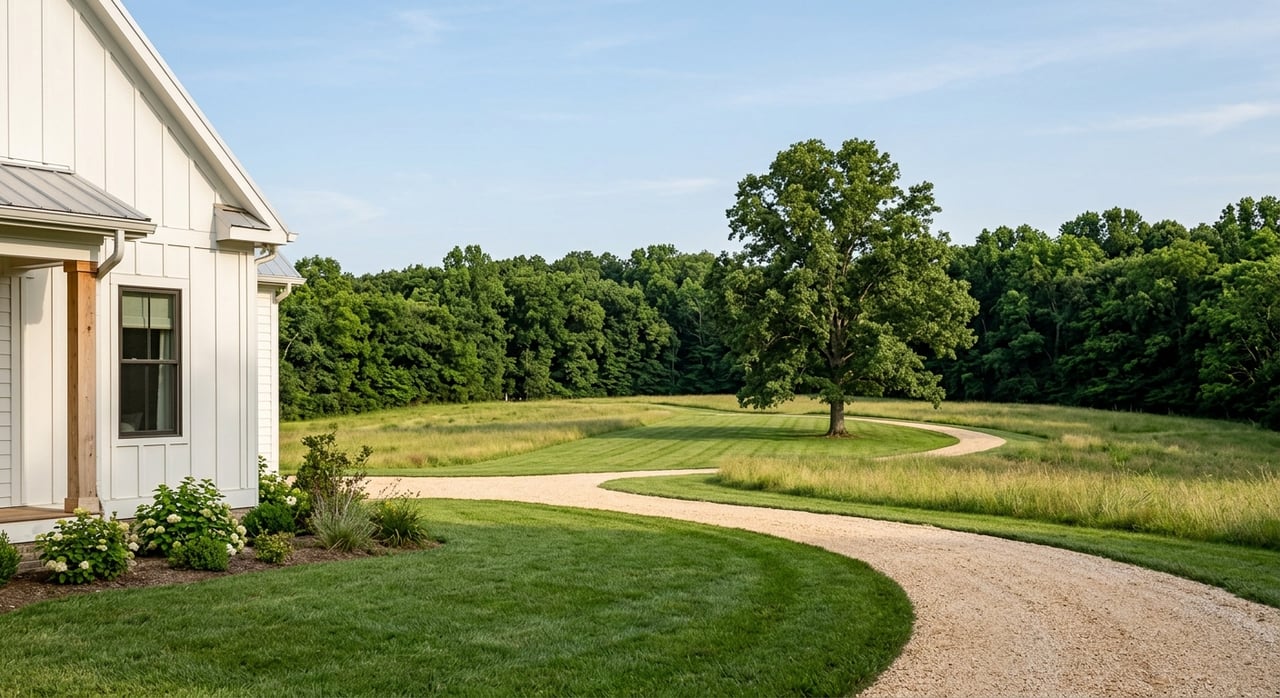
If you are dreaming about land near Leiper’s Fork, you may be asking the wrong first question. It is easy to focus on a number like 5 acres, 10 acres, or 20 acres, but in southern Williamson County, usable acreage matters more than gross acreage. The right parcel depends on what you want your land to do, how the lot is zoned, and how much of it can actually support a home, septic, access, and any future plans. Let’s dive in.
Start With the Real Question
Near Leiper’s Fork, acreage can mean very different things depending on where a property sits. Within the Leiper’s Fork Village District, the Village Core Subarea allows a minimum residential lot area of 10,000 square feet, while the General Village Subarea uses a 1-acre minimum for residential structures. That means “near Leiper’s Fork” can describe anything from a village-size lot to a much larger rural tract.
That local range is part of what makes this market so appealing. You can find a smaller homesite close to village life, or a sweeping countryside parcel with room for horses, gardens, and long private drives. The key is knowing how your goals line up with county rules and the actual physical character of the land.
Williamson County also notes that its online zoning ordinance and map are reference tools only, not the legal version of the rules. In practice, that means you should confirm zoning and parcel-specific details with Planning before you rely on any acreage threshold.
Match Acreage to Your Lifestyle
The best acreage for you depends on how you want to live. A private country home has very different land needs than a horse property or a parcel you hope may qualify for Greenbelt use.
If You Want Privacy
Privacy is not created by acreage alone. In this area, house placement, tree cover, setbacks, and the position of neighboring homes can matter just as much as the size of the tract.
A well-sited home on a modest parcel may feel peaceful and tucked away if it has a long driveway, natural screening, and a smart building envelope. On the other hand, a larger tract can feel exposed if most of the usable area sits wide open near the road.
If privacy is your main goal, look beyond the acre count and ask how the home, driveway, and outdoor spaces will actually sit on the land. A smaller parcel with better layout can sometimes live larger than you expect.
If You Want Gardens or Hobby-Farm Space
A few acres can be enough for garden beds, a small orchard, chickens, or a detached workshop. But the true test is not the number on the listing. It is how much of the site is flat, dry, and functional after accounting for septic needs, driveway access, and drainage.
That matters in Leiper’s Fork because topography varies widely. The village plan notes that some areas have slopes over 35 percent, especially in certain areas north of Old Hillsboro Road, while other portions are flatter. So a 10-acre parcel may offer less usable open ground than a flatter 5-acre tract.
For hobby-farm buyers, this is often the turning point. Before you fall in love with the view, make sure the land can support the garden, outbuilding, or pasture area you have in mind.
If You Want Horses
For true equestrian use, Williamson County gives you a much clearer baseline. The county standard for an equestrian facility requires a minimum lot area of 15 acres.
The county also limits density to no more than one equine per two acres. If animals are kept overnight, there must be one inside stall for every two animals. Setbacks also matter, with 100 feet required for corrals, manure, and feed areas, and 150 feet for roofed structures.
If you are shopping for horse property near Leiper’s Fork, 15 acres is the practical starting point, not the finish line. You still need to ask whether the land shape, slope, access, and layout support barns, paddocks, riding areas, and the home site in a workable way.
If You Want Greenbelt or Farm-Like Use
Some buyers are drawn to the stewardship side of acreage ownership. If your goal includes agricultural use or potential Greenbelt classification, Williamson County says agricultural land must be at least 15 acres, forest land must be at least 15 acres, and open-space land must be at least 3 acres.
The county also makes an important distinction: the land must actually be used for the qualifying purpose. Simply planning to farm it later is not enough.
That makes this a good conversation to have early. If tax treatment or long-term land use is part of your vision, the parcel needs to fit both your lifestyle and the county’s actual qualification standards.
If You Want Event-Ready Possibilities
This is one of the biggest areas where buyers can overestimate what a beautiful acreage property can do. If you are imagining a larger estate with hospitality or event potential, county thresholds rise quickly.
Williamson County’s Rural Retreat-Extensive standard requires a 20-acre minimum parcel size. If there is a conference, banquet, or event component, the minimum rises to 40 acres.
That is far beyond the needs of a typical country home. So if you love entertaining on a personal scale, you may not need major acreage. But if your vision includes larger organized gatherings, the land and approval path become much more demanding.
Why Usable Acreage Matters More
The most important lesson near Leiper’s Fork is simple: not every acre works the same way. Two parcels with the same size can offer very different options once you study the site.
Slope Can Shrink a Parcel Fast
Rolling land is part of the beauty here, but it can limit what you can build and where. Steep ground may reduce the practical space for a house pad, garage, barn, guest structure, or even everyday outdoor living.
That is why a smaller but flatter property can outperform a larger parcel with difficult terrain. If you are comparing homesites, ask not just how many acres there are, but how many acres you can truly use.
Septic Is Often the Hidden Decider
In the village area, sewer service is not available, so properties rely on on-site septic systems. That reality shapes many land decisions.
Tennessee requires a Septic System Construction Permit for anyone installing or repairing a subsurface sewage disposal system. The application can require a rough site sketch and soils maps from a soil scientist. The local village plan also notes that geology varies widely in Leiper’s Fork, and some parcels do not have adequate soils for new or upgraded systems.
This is why a pretty tract is not always a build-ready tract. Septic feasibility, including room for both the primary field and reserve area, can be one of the biggest hidden constraints on usable acreage.
Water Access and Elevation Matter Too
The village plan states that water service is provided by the Hillsboro and Thompson’s Station Utility District, while sewer is not available in the village. H.B. & T.S. Utility District also notes that the local hills and valleys create pressure differences, so elevation can affect water pressure and a regulator is often needed.
For you as a buyer, that means utility questions are not just technical details. They affect day-to-day comfort, future planning, and sometimes the cost of preparing a property for construction or renovation.
Floodplain and Drainage Need Attention
Williamson County identifies flooding as one of its major hazards and advises buyers to check FEMA flood maps to understand whether a property is above or below predicted flood levels. Some areas are more flood-prone than others.
A beautiful creek, low meadow, or gently dipping field may add charm, but it can also affect where you can place a home, driveway, septic area, or barn. In other words, drainage can take a meaningful bite out of your usable acreage.
A Quick Acreage Guide Near Leiper’s Fork
Here is a practical way to think about acreage in this market:
| Goal | Typical Starting Point | What to Confirm |
|---|---|---|
| Village-adjacent living | 10,000 sq ft to 1+ acre depending on subarea | Zoning district, setbacks, septic needs |
| Privacy-focused country home | Varies widely | House siting, tree cover, driveway, neighboring uses |
| Gardening or hobby-farm living | A few acres may work | Flat usable ground, drainage, septic footprint |
| Horse property | 15+ acres | Equine density, stall rules, setbacks, layout |
| Greenbelt-minded ownership | 3+ acres open space or 15+ acres for ag/forest | Actual qualifying use, not just intent |
| Event-oriented estate vision | 20 to 40+ acres | Applicable county standards and review path |
This is a planning framework, not a shortcut. The right parcel still has to work on the ground.
Questions to Ask Before You Buy
If you want to narrow your search quickly, these are the questions that matter most:
- Where can the house pad actually go?
- Where will the septic field and reserve area fit?
- How much of the parcel is steep, wooded, or affected by drainage?
- Is any part of the land in floodplain or constrained by easements?
- What zoning district or village subarea applies?
- Is water service available, and could elevation affect pressure?
- If you want a barn, workshop, second structure, or future split, is there room to do it?
These questions help move you from a romantic idea of acreage to a realistic understanding of what the property can support. In a place as scenic and nuanced as Leiper’s Fork, that clarity is where smart buying begins.
The Best Acreage Is the One That Still Works
There is no single magic number for acreage near Leiper’s Fork. A smaller tract may be perfect for a country home with privacy and village access, while horses, Greenbelt goals, or larger estate ambitions can push you toward 15 acres or much more.
The real answer comes from subtracting constraints from the gross parcel size. Once you account for slope, septic, floodplain, setbacks, access, and utilities, you get much closer to the number that actually fits your life.
If you want help weighing beauty, utility, and long-term potential in Leiper’s Fork and the surrounding countryside, Kim Biddle can help you search with a sharper eye and a more local strategy.
FAQs
How much land do you need for a house near Leiper’s Fork?
- It depends on the zoning district and subarea. In the Leiper’s Fork Village District, the Village Core allows a minimum residential lot area of 10,000 square feet, while the General Village Subarea uses a 1-acre minimum for residential structures.
How much acreage do you need for horses in Williamson County?
- Williamson County’s equestrian-facility standard requires a minimum lot area of 15 acres, with no more than one equine per two acres plus specific stall and setback requirements.
Can a smaller parcel still feel private near Leiper’s Fork?
- Yes. Privacy often depends on house placement, tree cover, driveway length, setbacks, and neighboring uses, not just the total acre count.
Why is septic such a big issue for Leiper’s Fork land?
- Sewer service is not available in the village, so properties rely on on-site septic systems. Soil conditions and geology vary widely, and some parcels may not support new or upgraded systems.
Does usable acreage matter more than total acreage near Leiper’s Fork?
- Yes. A parcel’s practical value depends on how much land remains usable after accounting for slope, septic needs, floodplain, setbacks, access, and drainage.
Can acreage near Leiper’s Fork qualify for Greenbelt?
- It can if the parcel meets Williamson County’s size thresholds and is actually used for the qualifying purpose, such as agricultural, forest, or open-space use.