Wondering whether a Leiper’s Fork property can double as a short-term rental, private retreat, or event-ready estate? In this part of Williamson County, the answer is rarely a simple yes or no. If you are buying, selling, or evaluating a property in 37064, you need to understand how zoning, taxes, permits, and private restrictions work together before you make a move. Let’s dive in.
Why Leiper’s Fork Requires Extra Care
Leiper’s Fork is not just another rural pocket of Middle Tennessee. Williamson County created the Leiper’s Fork Village District to preserve, protect, and enhance the area’s small-town character, and that goal shapes how hospitality-style uses are treated.
That matters because vacation rental use may be permitted in the district, but county materials also make clear that the online zoning ordinance is for reference only. The controlling version is the print ordinance with later amendments, which means parcel-by-parcel zoning verification is essential before you buy a home for short-term rental use or try to convert an existing property.
In practical terms, a property that looks perfect for weekend guests or curated gatherings may still need a deeper review. The smartest path is to confirm zoning fit first, then evaluate taxes, permits, and operating rules second.
Short-Term Rental Rules in Tennessee
If you are looking at a home around Leiper’s Fork for guest stays, timing matters. Tennessee defines a short-term rental unit as a residential dwelling rented for less than 30 continuous days.
A separate tax rule applies to vacation lodging rented for less than 90 consecutive days. Tennessee also changed local occupancy-tax treatment in 2025 so that the first 30 days of occupancy in a short-term rental unit are subject to local occupancy tax even if the full stay lasts longer.
For buyers and owners, this means you cannot rely on a casual definition of "vacation rental." The number of days a guest stays can affect how the property is classified and how taxes apply.
Taxes and Licensing to Plan For
Running a short-term rental in Williamson County comes with tax responsibilities that should be built into your financial plan from the beginning. For fiscal year 2025-2026, Williamson County’s hotel and motel tax rate is 4% of the amount paid for occupancy.
Tennessee also requires the property owner or property manager to collect and remit sales tax on short-term rentals. The taxable sales price includes required fees such as cleaning fees and non-refundable pet or damage-protection fees, so your tax exposure may be broader than just the nightly rate.
If your taxable gross receipts in a county or city reach $100,000 or more, Tennessee requires business tax registration, payment of business tax, and a county and, if applicable, city business license. If receipts fall between $3,000 and $100,000, you still need at least a minimal activity license.
Marketplace bookings vs direct bookings
Not all bookings are handled the same way. Tennessee treats marketplace bookings differently from direct bookings for local occupancy tax administration.
For marketplace bookings, Tennessee collects local occupancy tax from short-term rental marketplaces at the local rate. Hotels, bed-and-breakfasts, and vacation lodging services that book directly continue remitting local occupancy tax to the appropriate local government.
That distinction can affect recordkeeping and how you structure operations. If you are purchasing with income in mind, it is wise to evaluate the booking model before you close.
When a Property Becomes an Event Venue
This is where many buyers need the clearest guidance. A home that works beautifully as a quiet overnight retreat is not automatically suited for public-facing events.
Williamson County draws a clear line between private gatherings and commercialized events. Private events sponsored by a private citizen, not open to the public, and not held in exchange for payment are exempt from special-event permit standards. The county specifically includes examples like family reunions, family weddings, and holiday gatherings.
By contrast, special-event rules apply to uses such as cultural events, festivals, fairs, carnivals, artisan sales, and similar activity on private property. Once a property starts functioning more like a public event business, the review and permitting burden rises quickly.
Event thresholds that trigger more review
Williamson County classifies an event as extensive impact if it meets any of the following:
- Attendance exceeds 750 people at one time
- Attendance exceeds 1,000 total people
- Overnight camping is included
- The event lasts more than two consecutive days
- The event includes an artisan sale
Limited-impact events are capped at four per calendar year on a single parcel or site. Extensive-impact events are generally capped at 15 cumulative days per year, or 30 days in the Leiper’s Fork Village District.
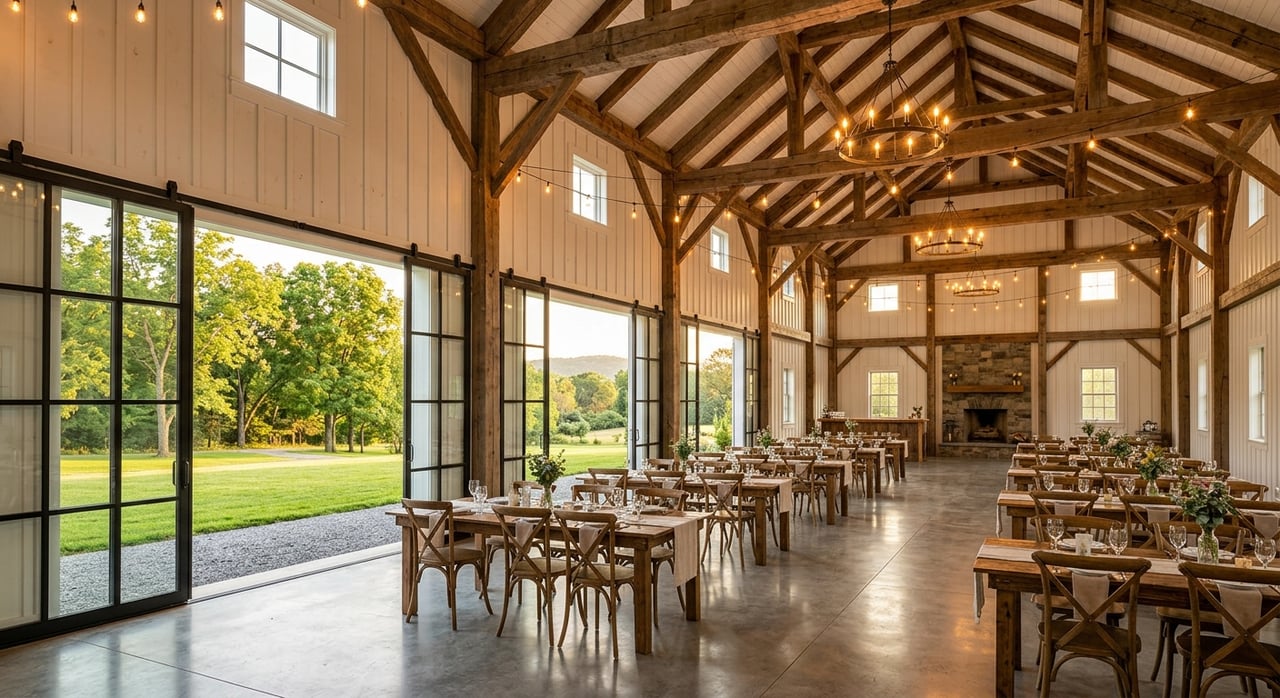
These thresholds matter for anyone shopping for an entertainer’s estate, barn property, or land with gathering potential. The county framework clearly favors occasional, lower-impact use over high-volume venue operations.
Operational Standards for Events
Even when an event can move forward, county standards are substantial. Williamson County’s special-event rules call for on-site parking, restrooms, waste handling, lighting, security, and a 200-foot buffer around the event area.
Parking alone can shape whether a parcel is realistic. The county standard calls for one parking space per four persons for special events, while vacation rental homes have a separate standard of one space per sleeping room.
Event hours are also generally limited to 10:00 a.m. to 10:00 p.m., unless overnight camping is an approved component. The county may also impose added conditions to reduce noise, traffic, buffering concerns, and other nuisance effects.
For most buyers, the takeaway is simple: if your vision involves frequent, public, or high-traffic events, you need to examine county requirements very carefully before assuming a property can support that use.
The Properties That Tend to Fit Best
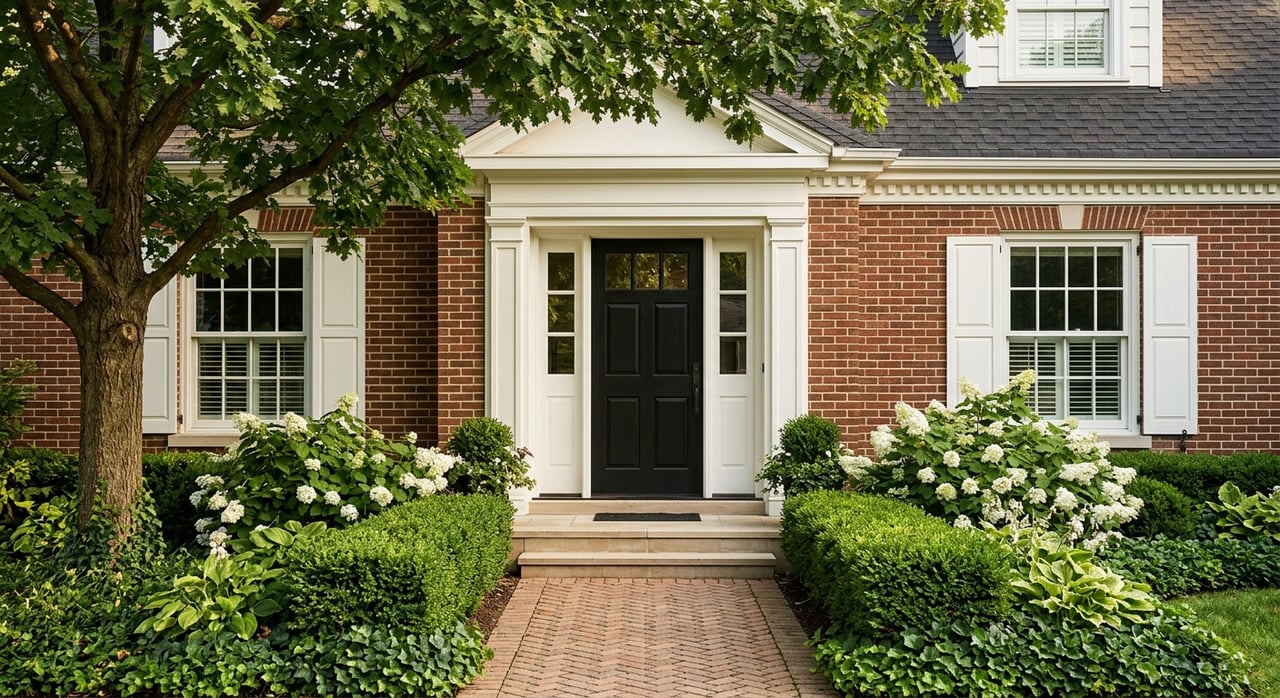
In and around Leiper’s Fork, the strongest hospitality opportunities tend to be the ones that feel calm, private, and well-buffered. Larger-acreage homes often align better with county expectations because they can absorb parking needs, setbacks, and quieter outdoor use more naturally.
Features that may support a better fit include:
- Long driveways with room for off-street parking
- Multiple established parking areas
- Mature trees and natural buffers
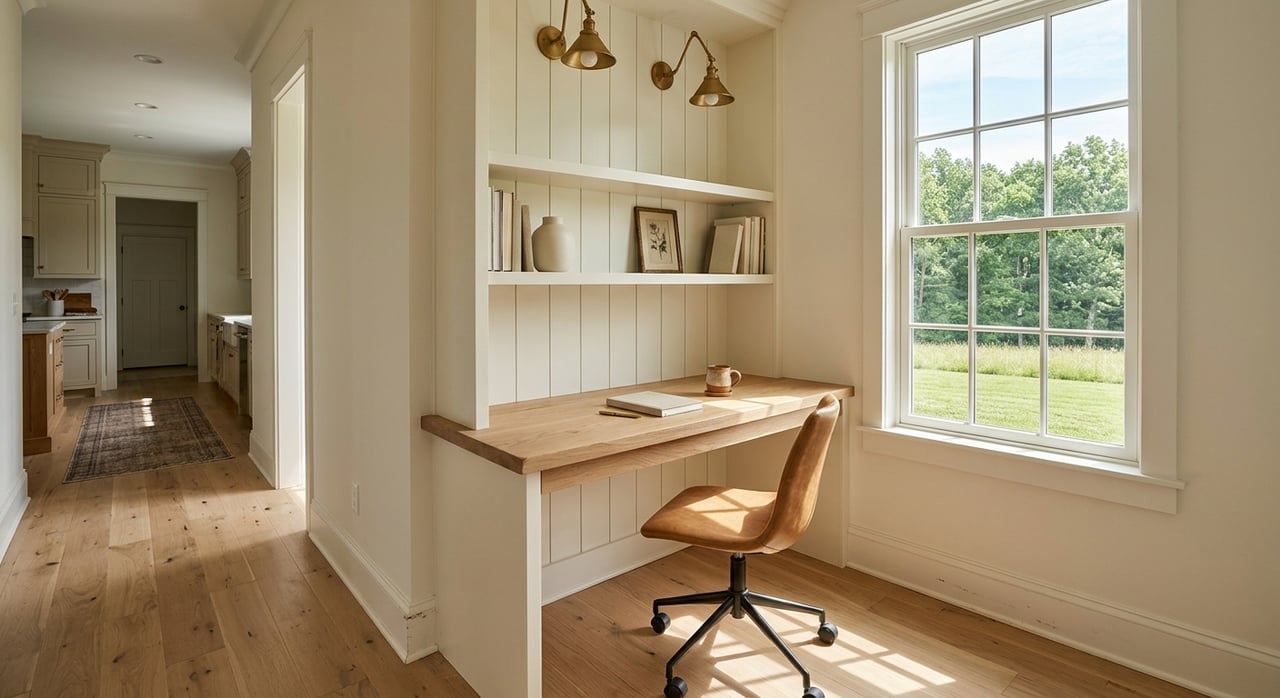
- Separate guest quarters
- Outdoor living spaces designed for quiet enjoyment
- Acreage that can handle circulation without crowding neighbors
This does not mean every large property is automatically suitable. It means the physical layout of the land often matters just as much as the house itself.
Other Restrictions Buyers Often Miss
County zoning is only part of the story. A parcel can still be limited by private rules, even when the county framework appears workable.
HOA, condominium, and co-op governing documents can prohibit or restrict short-term rentals. Lease terms can do the same, and owners may also record restrictive covenants or easements that limit future short-term rental use.
That is why due diligence should include more than zoning confirmation. You also want to review any association rules, deed restrictions, and recorded limitations that could affect how the property may be used.
Noise Matters in Leiper’s Fork
Leiper’s Fork’s appeal is tied to its pastoral setting and slower rhythm, and county rules reflect that. Williamson County regulates noise at property boundaries and applies those standards to special events, conference and training centers, dining and entertainment uses, and commercial uses with sound-producing devices.
For buyers considering hospitality use, this supports a clear operating principle: design for quiet enjoyment, not late-night intensity. Retreat-style hosting is generally more aligned with local character than loud, high-turnover entertainment activity.
Bed-and-Breakfast, Retreat, or Rental?
Not every hospitality concept follows the same path. Williamson County treats bed-and-breakfast use as a separate category from vacation rental homes.
A bed-and-breakfast must be resident-operated, is limited to five nightly rooms, and may provide only one meal service to paying guests. The county also recognizes rural-retreat and conference or training-center uses separately, which is a reminder that some retreat-oriented properties may fit a different zoning pathway than a standard overnight rental.
If you are comparing options, the right structure depends on how you actually plan to use the property. A hosted, owner-occupied experience is different from a whole-home rental, and both differ from a retreat or event-focused concept.
What Buyers and Sellers Should Do Next
If you are buying around Leiper’s Fork with short-term rental or event potential in mind, start with realism. The best opportunities are usually properties that support low-impact guest stays, private gatherings, or carefully managed retreat use without straining parking, noise, or buffering standards.
If you are selling, positioning matters just as much as compliance. A property may be most compelling when marketed as a peaceful overnight retreat, an estate with room for invite-only gatherings, or an acreage property with hospitality potential subject to verification, rather than as a broad event business opportunity.
In this market, thoughtful guidance creates value. The right property can absolutely support a beautiful hospitality vision, but the path works best when it respects local character and matches the parcel’s real-world constraints.
If you are exploring a Leiper’s Fork property for private retreats, guest stays, acreage living, or event-ready potential, Kim Biddle can help you evaluate fit, presentation, and next steps with a hyperlocal lens.
FAQs
What counts as a short-term rental in Tennessee?
- A short-term rental unit in Tennessee is a residential dwelling rented for less than 30 continuous days.
What taxes apply to short-term rentals in Williamson County?
- Williamson County’s hotel and motel tax rate is 4% for fiscal year 2025-2026, and Tennessee also requires sales tax collection on short-term rentals, including certain required fees.
What is the difference between a private gathering and a special event in Williamson County?
- A private gathering is sponsored by a private citizen, not open to the public, and not held for payment, while commercialized events like festivals, fairs, and artisan sales fall under the county’s special-event rules.
What kind of Leiper’s Fork property is best for short-term rental or retreat use?
- Properties with larger acreage, long driveways, off-street parking, mature buffers, separate guest areas, and quiet outdoor space tend to align better with county expectations.
Can HOA rules block short-term rentals in Williamson County?
- Yes. HOA documents, condominium or co-op rules, lease terms, and recorded restrictive covenants or easements can prohibit or limit short-term rental use even if zoning appears to allow it.
Is a bed-and-breakfast the same as a vacation rental home in Williamson County?
- No. A bed-and-breakfast is a separate use category that must be resident-operated, is limited to five nightly rooms, and may provide only one meal service to paying guests.