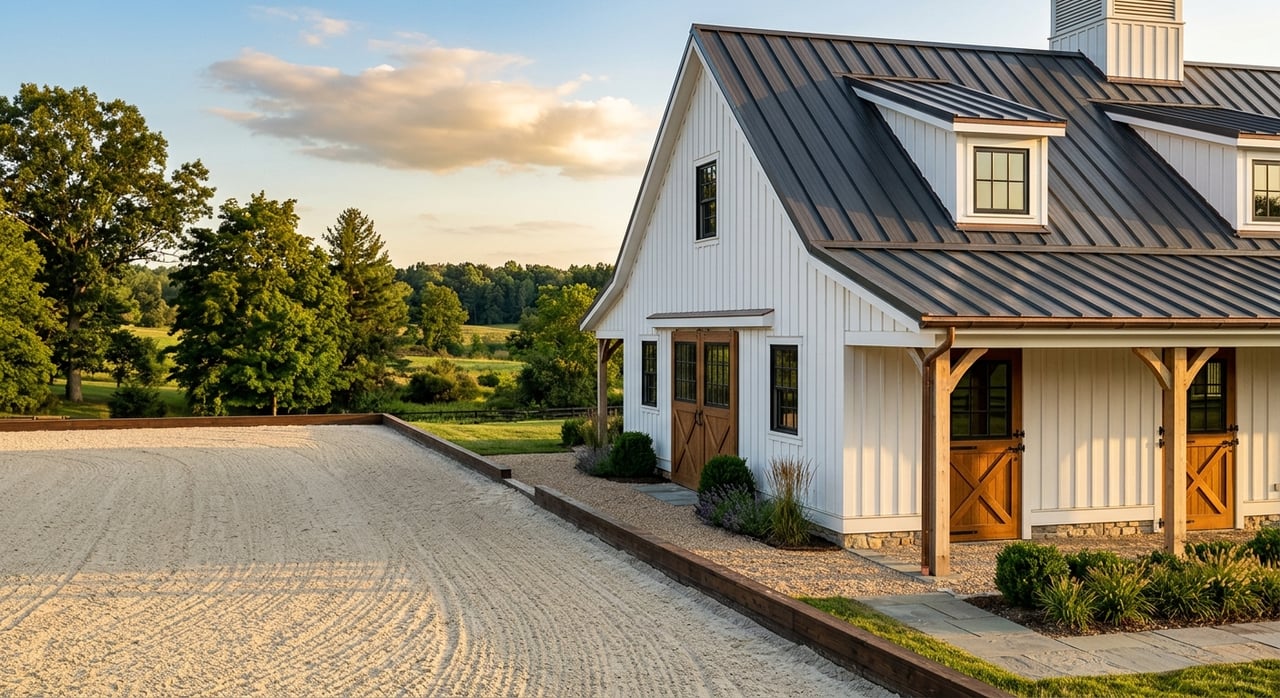
If you are dreaming about a horse property or hobby farm in Leiper’s Fork, it is easy to picture the porch, the pasture, and the barn first. What matters just as much, though, is what the land can legally and practically support. With the right due diligence, you can buy with confidence and avoid costly surprises. Let’s dive in.
Start With Zoning First
Before you fall in love with a barn plan or imagine adding a riding arena, confirm exactly how the parcel is classified. In Williamson County, the official county GIS maps and Leiper’s Fork planning resources are the right place to verify zoning, parcel details, and whether any village standards or overlays apply.
This step matters because equestrian use is treated as its own category in the county ordinance. You do not want to assume a property can support your intended setup without confirming the rules tied to that specific parcel.
Key equestrian zoning standards
According to the Williamson County zoning ordinance, equestrian facilities must meet several standards, including:
- Minimum lot size: 15 acres
- Horse density: 1 equine per 2 acres
- Minimum setbacks for outdoor corrals, riding areas, manure, feed, and bedding: 100 feet
- Minimum setbacks for roofed structures: 150 feet
- Run-in shed setbacks: 15 feet from side and rear lines, 50 feet from the front line
- Pastures: may extend to any property line
On irregular parcels or lots with narrow frontage, these setback rules can shape where barns, rings, storage, turnout, and parking can go. A property may look usable at first glance but still have layout limitations once you map the required distances.
Know Greenbelt Is Separate
A lot of buyers assume zoning and tax status are the same thing. They are not. Tennessee’s Greenbelt program is separate from zoning and has its own qualification rules.
For agricultural land, eligibility generally starts at 15 acres and requires active agricultural use or qualification under the family-farm provision. The filing deadline is March 15, and Williamson County notes that applications are physically reviewed. If you buy property already enrolled, you need to reapply as the new owner.
Why Greenbelt needs a closer look
Greenbelt can offer meaningful property-tax relief, but it also comes with compliance requirements. If the land stops qualifying later, rollback taxes may apply. Before closing, verify whether the property is enrolled now, whether it still qualifies, and whether any rollback exposure exists.
Evaluate The Land, Not Just The House
A beautiful home does not automatically make a functional horse property. If you plan to keep horses, grow hay, or maintain gardens, you need to understand the land itself.
The University of Tennessee notes that pasture performance depends on more than acreage alone. Soil, forage type, foot traffic, stocking rate, weed control, manure management, and environmental impact all affect how well the land will hold up over time.
What to check about soils and pasture
Healthy pasture is one of the biggest long-term cost and management factors on a hobby farm. Bare spots can lead to erosion and runoff, while overgrazing can shorten the useful life of your pasture.
Before you buy, consider reviewing:
- Parcel-specific soil mapping through the USDA NRCS Web Soil Survey
- Drainage patterns and low areas
- Existing erosion points
- How many horses the land can realistically support under the county’s density standards
- Whether rotational grazing or a sacrifice area may be needed
For nutrient-related questions, Williamson County Extension soil testing resources can help, and UT also recommends soil testing before fertilizing or reseeding. Keep in mind that the county extension lab does not test for toxins, chemicals, or contaminants.
Septic Can Make Or Break Plans
In rural Williamson County, septic due diligence deserves early attention. It affects not only the home but also potential additions, accessory structures, and future build plans.
The Tennessee Department of Environment and Conservation says a septic permit should be obtained before dirt work or construction of any building pad, including accessory buildings. If the soil or site is not favorable for a conventional system, an alternative system may be required.
Questions to ask about septic
Before closing, verify:
- Current septic permit status
- Whether an inspection letter is available
- Whether any accessory structures changed or affected the septic design
- Whether future expansion is realistic for your intended use
This is especially important if you hope to add a barn apartment, wash bay, extra bath, or other improvements later. Williamson County also notes that onsite sewage rules were amended on March 17, 2026, with the possibility of further changes, so it is smart to confirm the current rules before you finalize the purchase.
Treat Water As Its Own Due-Diligence Item
On a rural property, private water should never be treated as an afterthought. If a home is not on city or town water, the owner is responsible for the well, pond, or spring source and for water-quality testing.
According to the Tennessee Department of Health, private-water users are encouraged to test annually for pathogens and at least every other year for chemical contaminants. TDEC also maintains private-well records and a map viewer, along with oversight of licensed well drillers and treatment-system installers.
Water records to request
Ask for:
- The well log
- Well location information
- Recent bacteria and chemistry test results
- Any treatment system details
Reliable water access is a practical issue for daily living, livestock care, and future improvements. It is worth reviewing carefully before you commit.
Inspect Fencing, Turnout, And Barn Layout
On equestrian and hobby-farm properties, safety features matter just as much as charm. Fence condition, gate width, circulation, and emergency access all affect whether a property will work smoothly for people, animals, and equipment.
The University of Minnesota Extension recommends highly visible fencing without sharp edges, avoiding barbed wire, and making perimeter fencing about 5 feet tall. It also recommends gates large enough for horses and equipment, plus a dry lot or sacrifice area of at least 400 square feet per horse.
Rutgers Extension adds that barn layout and fire safety details matter, especially on smaller-acreage farms where space can be tight. Clear aisles, exterior-door fire extinguishers, proper lighting, separate hay storage, secure latches, and trailer access that does not block emergency routes are all worth reviewing.
A practical property walk-through checklist
When touring a Leiper’s Fork horse property, pay close attention to:
- Fence type and overall condition
- Gate widths and trailer turning space
- Pond, ditch, or drainage hazards
- Barn location relative to required setbacks
- Aisle width, tie areas, and lighting
- Hay and feed storage placement
- Manure handling area
- Access for emergency vehicles and service providers
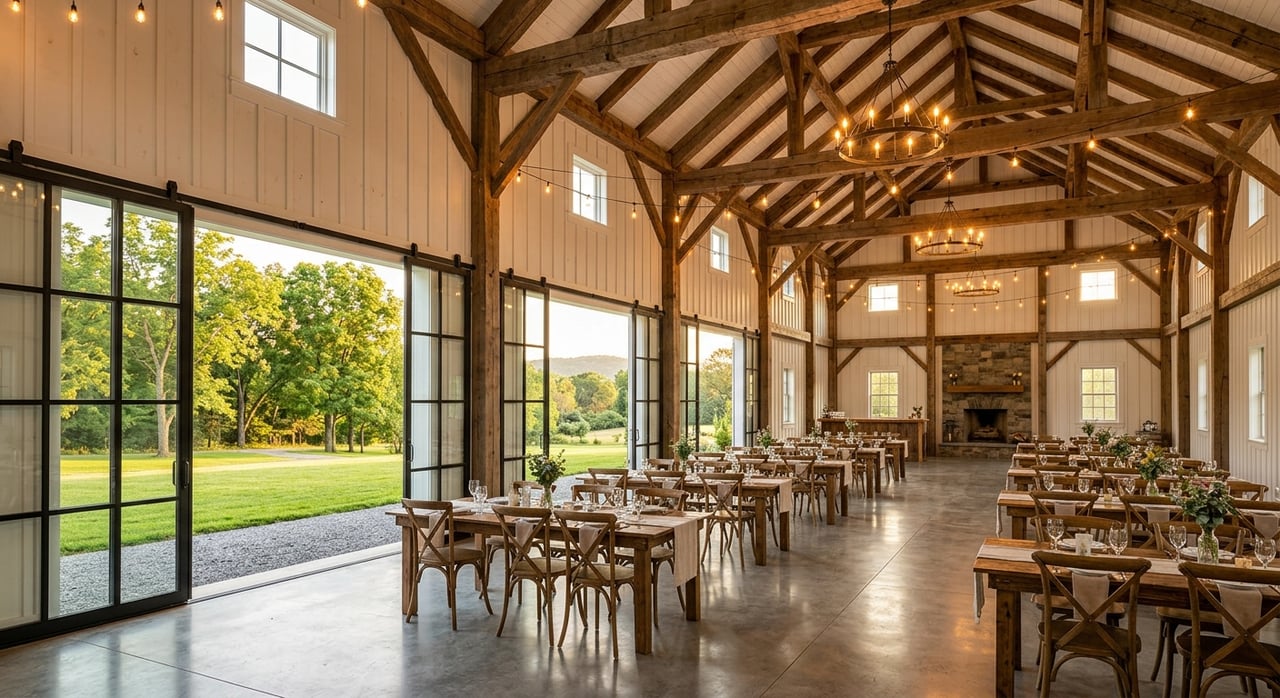
A property with mature trees, long views, and a classic Tennessee barn can be deeply appealing. Still, the daily function of the setup is what will shape your ownership experience.
Think About Ongoing Pasture Management
Buying the property is only the beginning. Keeping the land healthy over time is what turns a beautiful setting into a workable hobby farm.
UT Horse explains that manure management, rotational grazing, and stocking control can reduce parasites, runoff, weed spread, and overgrazing. It also notes that horses should be kept off pasture for 2 to 3 weeks after manure is spread.
This matters for budgeting as much as land stewardship. If a property has limited turnout space or already shows signs of pasture stress, you may need improvements such as reseeding, drainage work, or a dedicated sacrifice area sooner than expected.
Confirm Your Local Support Network
One of the advantages of buying in the Leiper’s Fork and greater Williamson County area is access to a meaningful horse-service network. Williamson County Extension’s equine service directory includes veterinarians, farriers, feed suppliers, custom hay and pasture services, trailer services, and more.
That local support can make ownership easier, especially if you are relocating or buying a second home. Even so, it is wise to confirm service radius, after-hours coverage, and whether the property’s road access and turnaround space work well for the providers you plan to use.
Your Pre-Closing Checklist
If you are serious about buying an equestrian or hobby-farm property in Leiper’s Fork, this is the core due-diligence list to work through before closing:
- Confirm exact zoning district and any overlays or village standards
- Verify whether the parcel meets county equestrian-use standards
- Review Greenbelt status, qualification, and possible rollback exposure
- Check septic permits, inspection letters, and future expansion limits
- Request well records and current water-quality tests
- Study soils, drainage, erosion, and pasture carrying capacity
- Inspect fences, gates, barn layout, and access for trailers and emergency vehicles
- Assess whether the property can realistically support your intended horse count and farm use
A well-bought property should feel both inspiring and practical. In Leiper’s Fork, that means pairing the beauty of the countryside with clear answers about land use, infrastructure, and daily function.
If you want help evaluating acreage, equestrian layouts, or hobby-farm potential in southern Williamson County, Kim Biddle offers thoughtful, local guidance tailored to the way you want to live on the land.
FAQs
What zoning should you verify for horse property in Leiper’s Fork?
- You should confirm the parcel’s exact Williamson County zoning district, along with any overlays or village standards, using the county’s official GIS and planning resources.
What are Williamson County’s basic equestrian property rules?
- The county ordinance lists equestrian facilities as a distinct use, with a 15-acre minimum lot size, a limit of one equine per 2 acres, and setback requirements for corrals, riding areas, roofed structures, and run-in sheds.
Does Greenbelt status automatically allow hobby-farm use?
- No. Greenbelt is a property-tax program that is separate from zoning, so a parcel can have tax status questions and zoning questions that both need to be reviewed.
Why is septic due diligence important for rural property in Williamson County?
- Septic permits affect construction, accessory buildings, and future improvements, and some sites may require alternative systems if soil or site conditions are not favorable for conventional septic.
How can you check whether land will support horses well?
- You can review parcel soils through the USDA Web Soil Survey, inspect drainage and erosion, evaluate existing pasture condition, and consider realistic stocking levels and pasture-management needs.
What water records should you request on a Leiper’s Fork hobby-farm property?
- You should ask for the well log, well location, recent bacteria and chemistry test results, and any available treatment-system information.
What should you inspect in barns and fencing before buying horse property?
- Look at fence visibility and condition, gate widths, trailer access, turnout safety, barn circulation, hay storage, lighting, and whether the layout leaves room for manure handling and emergency response.
Are horse services available near Leiper’s Fork?
- Williamson County Extension maintains an equine service directory with veterinarians, farriers, feed suppliers, trailer services, and other horse-related providers in Williamson County and nearby areas.