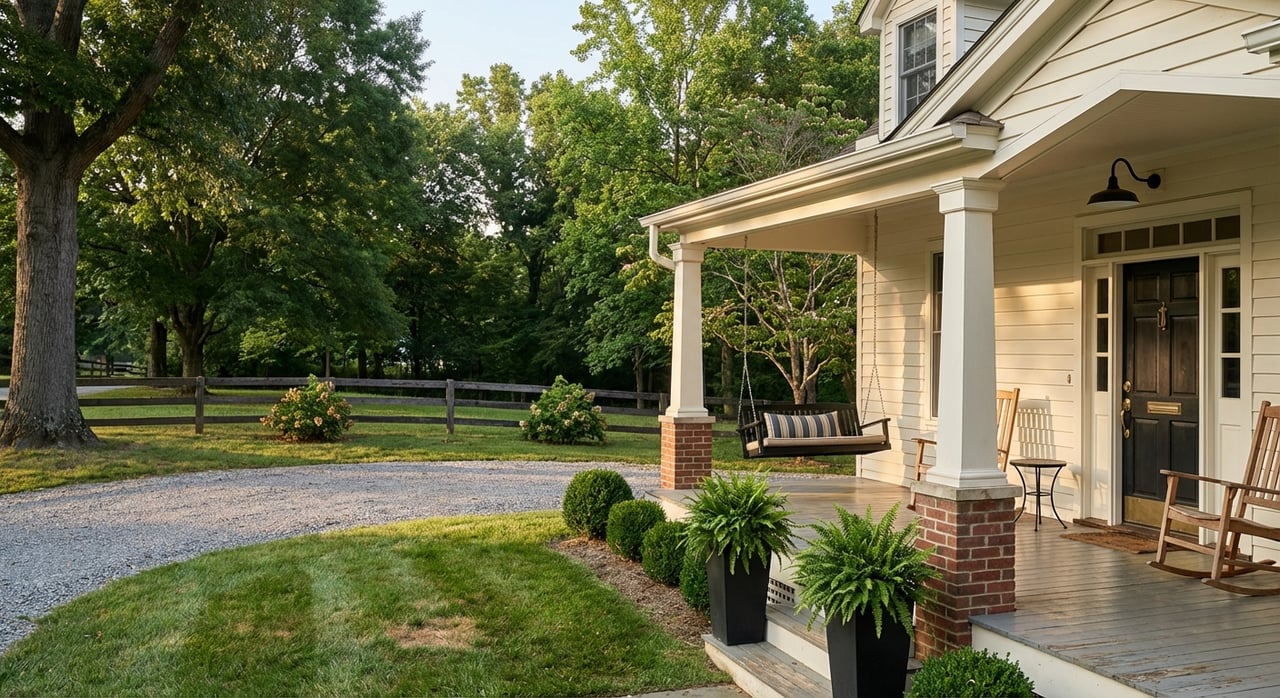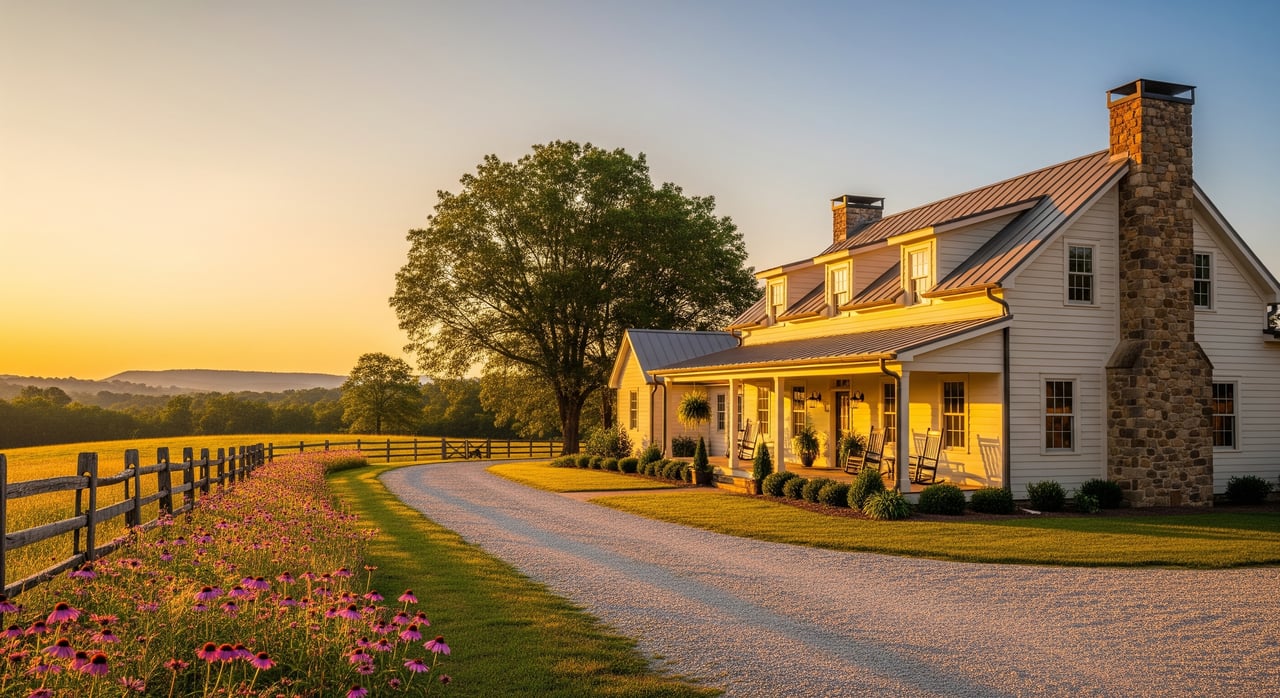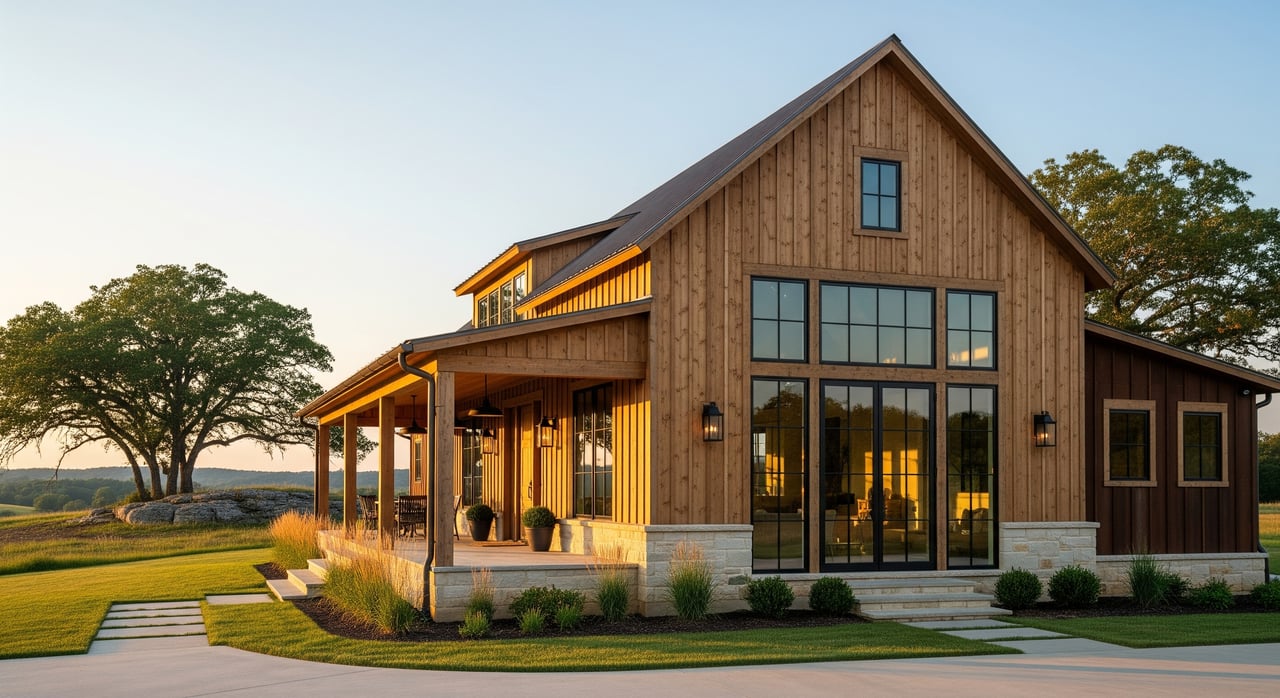
Curious if a barndominium fits your Franklin lifestyle? If you love the idea of rustic character with luxury comfort, you are not alone. Many buyers in southern Williamson County want flexible space, privacy, and refined finishes without losing that barn-inspired charm. In this guide, you will learn what a barndominium is, how it is built, the local permitting and financing basics, and what to expect for costs, timelines, and resale. Let’s dive in.
Barndominium basics
A barndominium is a residence created within a barn-style structure or a post-frame or steel building. Some are new builds with a metal or timber shell finished like a home inside. Others convert existing agricultural barns into code-compliant living spaces. The result blends open-plan living with barn-inspired structure and style. Large luxury estates in the area might opt for a barndominium look for their primary home, guest house, secondary entertainment building, office or multiuse structure, allowing the design to blend seamlessly into the countryside aesthetic.
Common shell types
- Post-frame timber with board-and-batten siding for a traditional barn look.
- Steel or metal-paneled buildings that offer fast erection and wide-open interiors.
- Hybrid approaches that combine steel shells with timber details or timber shells with modern roofing and windows.
Practical implications
- Metal shells provide clearspan interiors and speed but require careful insulation and moisture control.
- Timber/post-frame systems deliver a classic look and pair well with reclaimed wood and stone.
Franklin style choices
In Franklin and southern Williamson County, buyers respond to a rustic-luxe mix. You will often see reclaimed wood, warm board-and-batten, exposed beams, standing-seam metal roofs, and barn doors paired with high-end kitchens and spa-like baths. Wraparound porches and covered outdoor rooms support shaded lounging, al fresco dining, and views of pasture and trees. Masonry accents, including local limestone or fieldstone bases and columns, add a sense of place and permanence.
Large windows or sliders are oriented toward views while keeping privacy from roads and neighbors. Inside, open great rooms with high ceilings, a main-level primary suite, flexible lofts, and mud or laundry rooms suit everyday country living. Many owners integrate a workshop, studio, or oversized garage with the residence to support creative work or gear-heavy hobbies.
Climate-smart materials
Franklin’s hot, humid summers and mild winters shape your selections. Air sealing, insulation strategy, vapor control, and roof or attic ventilation deserve careful attention, especially with metal shells. For exposed wood, consider moisture and termite resistance, use proper flashing and drainage, and plan for right-sized HVAC to manage humidity.
Site and permits
Your first step is jurisdiction. If the property sits inside Franklin city limits, the City of Franklin Planning and Codes is your point of contact. In unincorporated areas, you will work with Williamson County Planning and Zoning and the County’s Building Codes divisions. Utility districts, private wells, and septic systems also affect feasibility.
What to verify early
- Zoning and use: Confirm residential use, minimum lot size, setbacks, height, and accessory structure rules. Some lots carry agricultural or conservation easements.
- Historic overlays: Franklin’s historic districts have exterior and materials review. A modern metal barn look may not be allowed in these zones.
- Septic and wells: Many rural parcels use on-site septic and private wells. Expect soil evaluation, percolation testing, and permits.
- Stormwater and floodplain: Check floodplain status. Converting an existing barn in a flood-prone area adds restrictions and insurance considerations.
- Building permits: Residential building permits plus electrical, mechanical, and plumbing permits are required. A Certificate of Occupancy is typically needed for mortgage and insurance.
- Licensed contractors: Tennessee licensing applies, especially for HVAC, plumbing, and electrical.
Financing and insurance
Financing depends on building to residential code and securing a Certificate of Occupancy. Lenders prefer standard residential characteristics and adequate comparable sales. Options may include conventional purchase loans, construction-to-permanent loans, and in some cases FHA or VA if the property meets program criteria. Local portfolio lenders and credit unions that understand post-frame and metal-residence builds can be more flexible.
Insurance availability and premiums reflect construction type, roof material, proximity to hydrants, and how the structure is used. If your property includes additional barns or agricultural outbuildings, those may require separate policies. In Middle Tennessee, ask about wind and hail coverage and how your roof choice affects premiums.
Resale and appraisal
Barndominiums are a niche. Value depends on land quality, context, finish level, and how residential the home reads. Appraisals can be more complex when there are fewer local comparables. Appraisers with experience in post-frame and metal-residence valuation can help support a reliable opinion of value.
Cost and timeline
Several factors drive cost: shell type, foundation, insulation strategy, finish level, mechanical systems, septic and well installations, driveways and utilities, and special features like stonework or custom millwork. Basic to mid-level finishes can be competitive with traditional builds, while high-end rustic-luxe specifications often push costs higher. Because site and finish choices vary, request detailed estimates from local builders rather than relying on generic per-square-foot numbers.
Metal shells often go up in weeks, but full interior build-out takes months. Total timelines commonly range from about 4 to 12 months, depending on design complexity, permitting, and site work.
Finding local pros
The right team makes the process smoother and protects your investment.
Who to engage
- Post-frame or barndominium specialty builders with relevant portfolios.
- General contractors fluent in county inspections, septic, and well coordination.
- Architects or design-build firms that tailor barn-style plans to local zoning and, where needed, historic guidelines.
- Local lenders familiar with construction financing for nontraditional shells.
- Septic designers and licensed well drillers for rural parcels.
How to vet
- Ask for recent local projects and visit completed homes if possible.
- Verify licensing and insurance and check with the Tennessee Board for Licensing Contractors.
- Obtain multiple bids with clear specifications so you can compare apples to apples.
- Request a realistic schedule with milestones tied to payments.
Is a barndo right for you?
Choose a barndominium if you value flexible spaces, indoor-outdoor living, and a design-forward take on rural life. They fit best on larger parcels or in neighborhoods without strict architectural controls. If you want the Franklin or Leiper’s Fork lifestyle with room to create, entertain, or keep equipment and hobbies close at hand, a barndo can be a compelling path.
Ready to explore land or listings that suit a future barndominium, or evaluate a barndo you already love? Get hyperlocal advice on zoning, septic feasibility, finish choices, and resale strategy tailored to Franklin and southern Williamson County. For concierge guidance and private tours, connect with Kim Biddle.
FAQs
What is a barndominium in simple terms?
- A barndominium is a residence built within a barn-style or post-frame or steel structure, finished to function like a home.
How do barndominiums get financed in Franklin?
- If built to residential code with a Certificate of Occupancy, financing may include conventional or construction-to-perm loans. Local portfolio lenders can be flexible.
Are they cheaper than traditional homes?
- They can be cost-competitive at basic to mid finishes due to shell efficiencies. High-end finishes and site work can raise total costs.
What permits should I expect in Williamson County?
- Plan on residential building permits plus electrical, mechanical, and plumbing, along with septic and well approvals where applicable. A final Certificate of Occupancy is typical.
Will a barndominium appraise well?
- Yes, but with fewer local comparables, valuation can vary. Appraisers experienced with post-frame or metal-residence homes are preferred.
Where do barndominiums fit best locally?
- They tend to align with rural parcels or neighborhoods without strict historic or architectural controls, particularly in southern Williamson County.
What are the biggest maintenance considerations?
- Moisture and condensation control in metal shells, insulation and ventilation details, termite protection for wood, and roof care for wind or hail events.