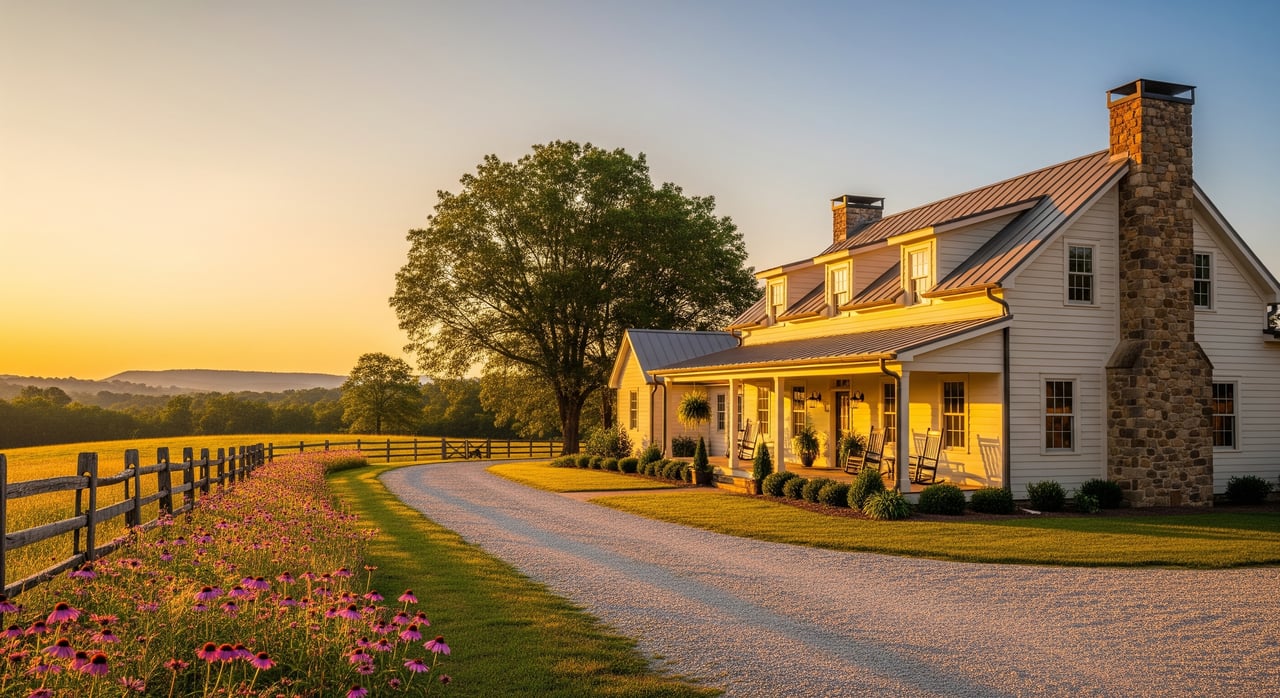
What does a day in Leiper’s Fork actually feel like? Picture a quiet morning mist over rolling hills, a late lunch where a songwriter might pick up a guitar, then a peaceful drive home along tree-lined roads. If you’re weighing a move, you want the real story beyond the postcard views. In this guide, you’ll get an honest look at daily life, housing and land realities, utilities, commutes, and the small-but-vibrant culture that makes this village unique. Let’s dive in.
Where Leiper’s Fork fits
Leiper’s Fork is an unincorporated village in Williamson County, just southwest of Franklin within ZIP code 37064. You’re surrounded by farmland, horse properties, and low-density acreage that keep the area feeling rural. Many people describe it as part of the greater Franklin and Nashville region, with drive times that vary by your exact address and route.
Because the village is unincorporated, Williamson County handles most services and rules. County offices oversee zoning, building permits, septic and well approvals, and property tax assessment. When you buy in Leiper’s Fork, the county is your main point of contact for land use and permitting.
Village pace and culture
Day-to-day rhythm
The village core has a small-town cadence. Weekdays tend to feel relaxed and quiet. Shops and restaurants keep limited hours compared with larger suburban centers, and some may close early or on certain weekdays. Weekends and event nights create a lively spike with more visitors, parked cars, and music drifting from local venues.
Music, arts, antiques
Leiper’s Fork is known for an outsized arts and music scene given its size. You’ll find small galleries, artist studios, and live performances hosted at local dining spots. Singer-songwriter culture is part of the village identity, adding creative energy to everyday life.
Dining, shopping, services
The retail mix is small and curated. Expect a handful of restaurants, cafes, galleries, and antique or specialty shops. For full-service grocery stores, large retailers, medical centers, and most professional services, you’ll typically drive into Franklin or another nearby town.
Homes and land
Village core vs countryside
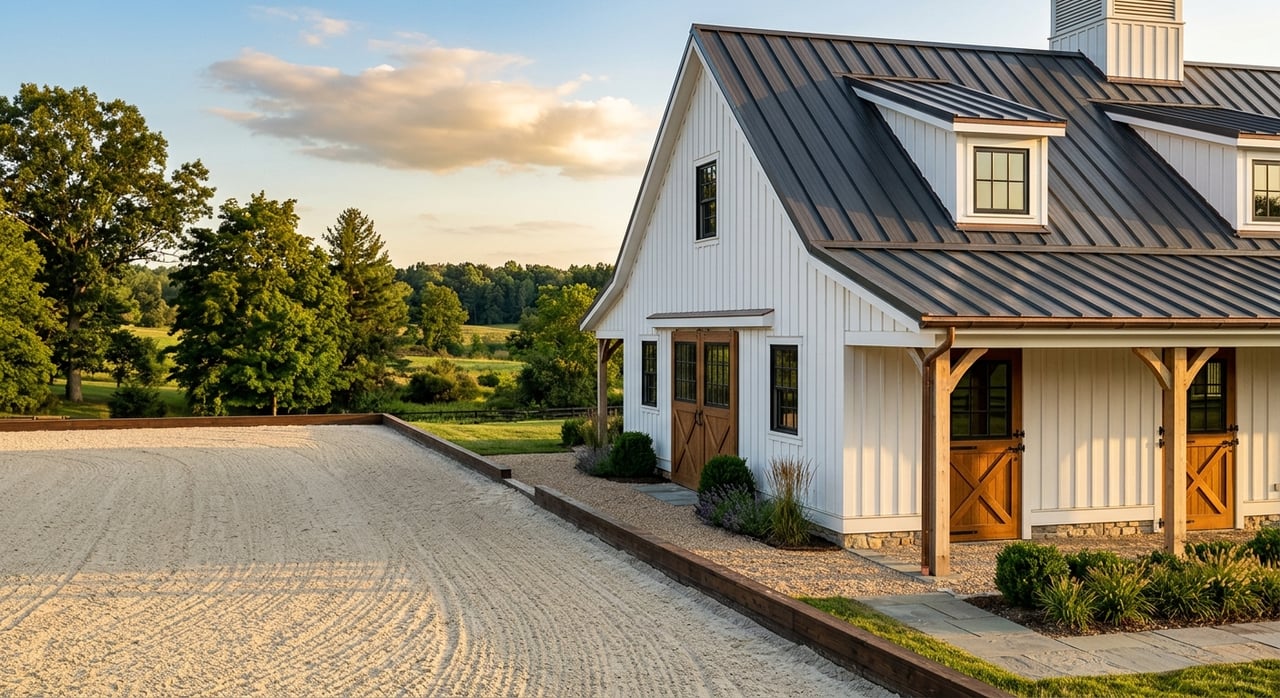
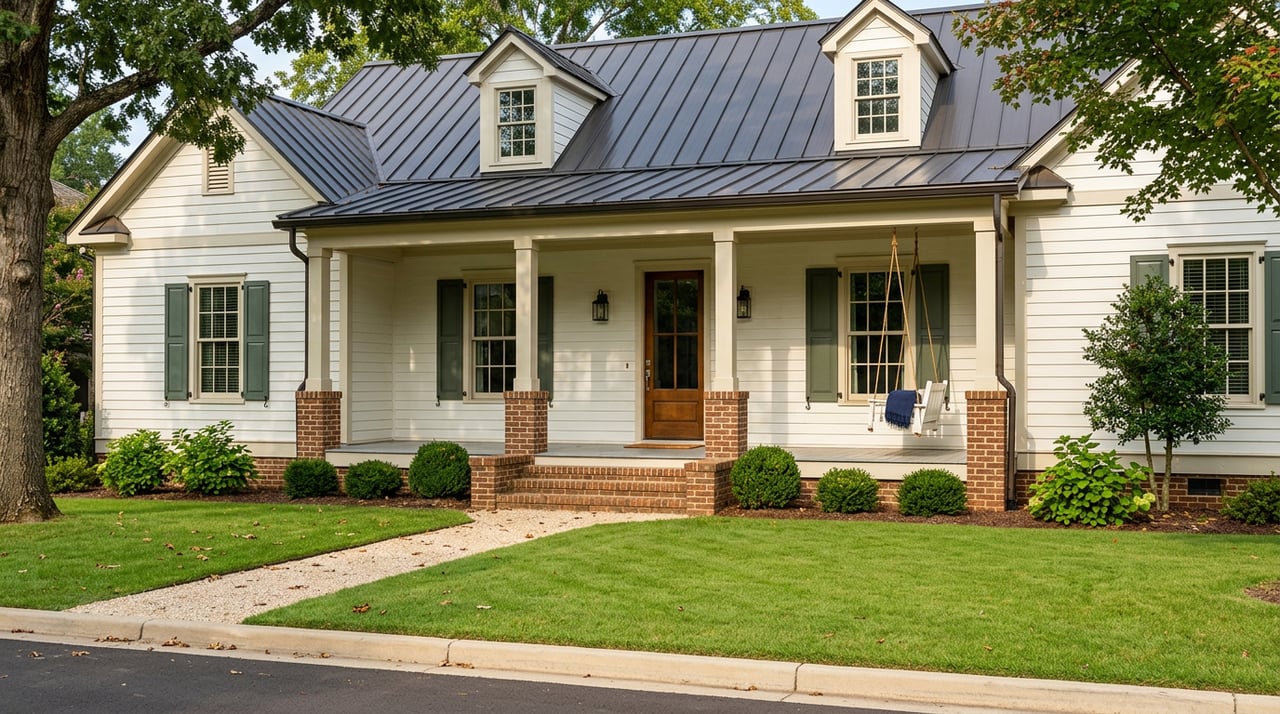
Living in the village core usually means smaller lots and potential walkability to shops and events. Outside the core, most homes sit on multiple acres with privacy, pastures, and wooded views. Equestrian properties and hobby farms are common in the surrounding countryside.
Acreage realities
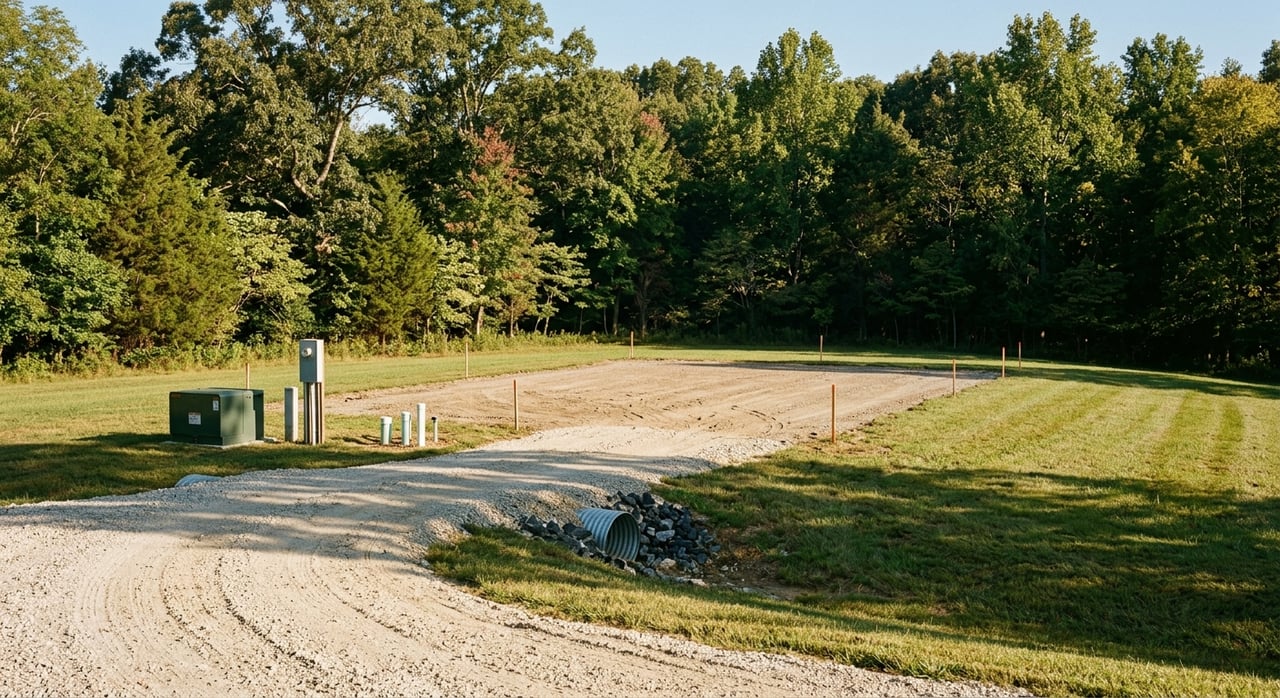
Acreage brings both beauty and responsibility. Many properties rely on private septic systems and potentially wells, and some use propane. You should budget time and funds for tasks like lawn and pasture care, fence and barn upkeep, driveway maintenance, brush clearing, and septic or well servicing. If you own outbuildings or equestrian equipment, you may also see higher insurance needs.
Zoning and permits
Williamson County’s planning and zoning rules set setbacks, minimum lot sizes, and subdivision standards. Some parcels carry conservation easements or agricultural zoning that limit development. Before you plan any changes, check county records to confirm what is allowed.
Utilities and connectivity
Electricity is typically provided by a regional utility or cooperative. Wired broadband coverage varies widely, even from one road to the next. Some areas get reliable cable or fiber, while others rely on fixed wireless or satellite. Cell service can be spotty in valleys or wooded areas, so it pays to test at the property and talk with neighbors about real-world performance.
Getting around
Commute ranges
Many residents commute to Franklin or into the Nashville metro. Depending on your exact address and traffic, plan for roughly 20 to 35 minutes to Franklin and often 30 to 50 plus minutes to central Nashville. Always map your specific route during peak hours to confirm.
Roads and driving feel
You’ll drive mainly on rural two-lane roads with rolling terrain and some limited sight lines. This shapes daily life, from school bus routes to how you plan for winter weather or heavy rain days. If you value scenic drives, this landscape is part of the appeal.
Public transportation
Public transit options are minimal in and around Leiper’s Fork. Most residents rely on a private vehicle, and rideshare availability can be limited in more remote spots.
Schools and services
Williamson County Schools operate public schools throughout the county. School assignments depend on your parcel address, so always check the current boundary maps before you buy. For healthcare, full-service hospitals and major medical centers are located in Franklin and Nashville. Franklin is also the primary hub for major shopping and professional services.
Outdoor and leisure
The setting supports horseback riding, hiking on nearby trails, and peaceful time outdoors. You’ll enjoy scenic drives and pastoral views across farmland and wooded hills. For a wider range of theaters, museums, and large venues, most residents head to Franklin or Nashville.
Events and weekend visitors add energy to the village core. During peak times, expect more traffic and parking pressure around the central shops and eateries.
What to verify on any property
Use this quick list to avoid surprises:
- Confirm parcel size, zoning, and permitted uses in county records.
- Check for conservation easements, historic status, or deed restrictions.
- Verify utility access and plan for septic and well if needed.
- Run a broadband and cell coverage check for the exact address.
- Review FEMA flood maps and county overlays for floodplain or other hazards.
- Inspect septic, well, fencing, barns, arenas, and driveways for condition and permit history.
- Price out ongoing maintenance, equipment needs, and insurance for outbuildings.
Is Leiper’s Fork a fit for you
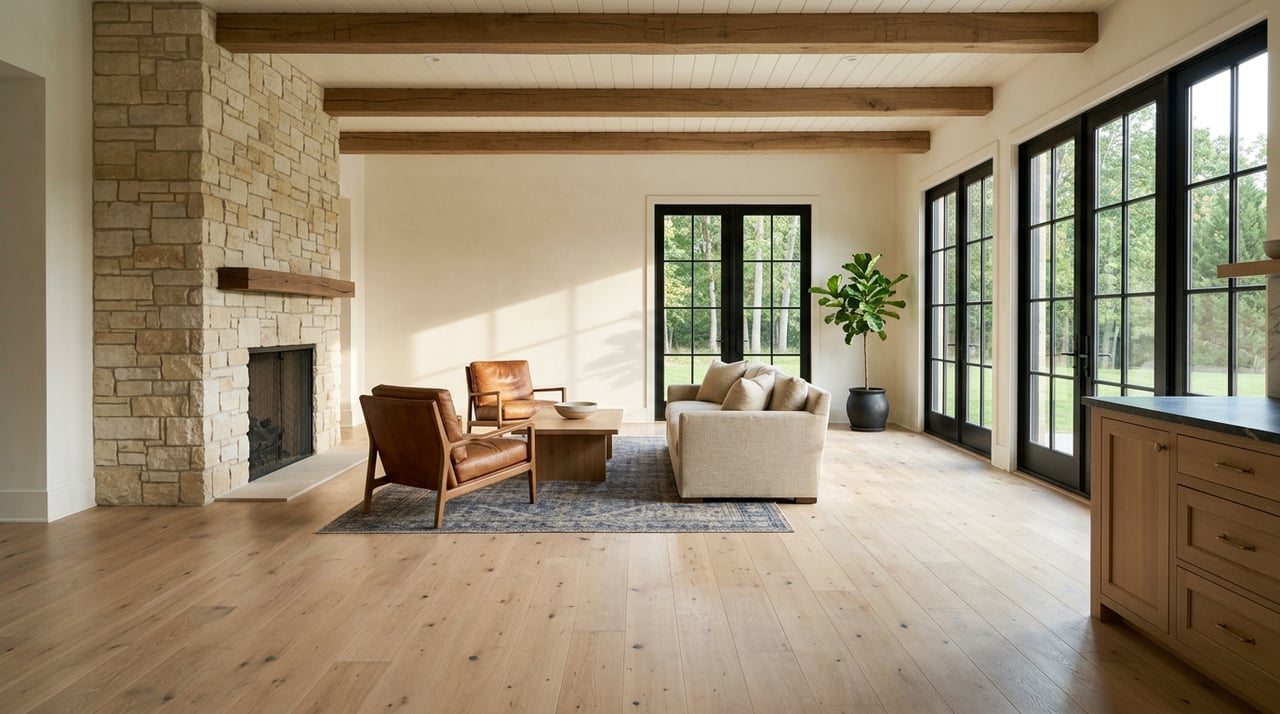
If you want privacy and acreage with a creative village nearby, Leiper’s Fork delivers a rare blend. You trade big-box convenience for slower days, scenic roads, and a culture that values music, art, and the land. The key is to balance the dream with practical planning for utilities, maintenance, and commute.
If you’re ready to explore properties that match how you live and host, connect with a local specialist who knows acreage, equestrian needs, and the rhythms of the village. To start a tailored search and see curated listings, reach out to Kim Biddle for a private tour and guidance.
FAQs
What is daily life like in Leiper’s Fork
- Expect a relaxed weekday pace, limited shop hours, and livelier weekends tied to dining, music, and small events.
How far is Leiper’s Fork from Franklin and Nashville
- Plan roughly 20 to 35 minutes to Franklin and often 30 to 50 plus minutes to central Nashville, depending on address and traffic.
Are utilities like water and sewer municipal in Leiper’s Fork
- Many properties outside the village core use private septic systems and may rely on wells or propane, so verify each address.
What should I budget for owning acreage near Leiper’s Fork
- Plan for septic and well servicing, pasture and lawn care, fence and barn upkeep, driveway maintenance, brush clearing, and insurance for outbuildings.
Is broadband and cell coverage reliable throughout the area
- Coverage varies by road and topography; some addresses have cable or fiber while others use fixed wireless or satellite, and cell service can be spotty in valleys.
Who controls zoning and building permits in Leiper’s Fork
- Williamson County oversees zoning, building permits, septic and well approvals, and property tax assessments for the unincorporated village.